Introduction
Your entire internet identity lies at stake due to the choice of your domain name. This is not just an internet address; it will be the backbone of your online existence, letting the world know who you are and what services you provide. I have seen too many businesses crumble in their efforts owing to their lack of foresight while making the important decision of selecting a domain name, only to regret and spend even more time and money redesigning their brands further along. As it turns out, a domain selected wisely makes sure that you have a brand that stands out from the crowd right away, leaving an impression of credibility. Fortunately, with the help of OnliveServer, the process of picking up that perfect domain name becomes easier than ever before. They can streamline it for you considerably, but here’s something else you need to consider: It’s not just about picking up any available domain name.
Understanding Domain Registration
A domain name is much more than a simple web address. It’s the digital face of your operation, representing your entire brand. But here’s the thing: many people skip understanding its true weight. You’d think just getting any name would work. It doesn’t. That’s why Domain Name Registration is a crucial step in building a strong and professional online presence.
Importance of a Domain Name
Your domain name should echo your brand’s very soul, making it instantly recognizable to anyone online. Think of it as the most important sign on your online shop. Watch out for names that are hard to spell or remember; they erode trust.
- Define identity: Clearly shows what your business stands for.
- Boost visibility: Helps search engines find your site more easily.
- Build trust: Instantly makes visitors feel your brand is legitimate.
Actually, no. A generic name with low relevance can actually hurt your SEO efforts by 10% or more. This won’t help if your brand lacks a clear mission.
Types of Domain Names
Not all domain endings are created equal. Some are tailored for specific purposes or regions, impacting how users perceive you.
- Common endings: Like .com or .net, often best for general use.
- Regional codes: Such as .uk or .de, showing a local presence.
- Modern options: Examples like .app or. blog, good for niche content.
Choosing poorly here can affect both how easily people find you and whether they trust you. It’s a foundational decision.

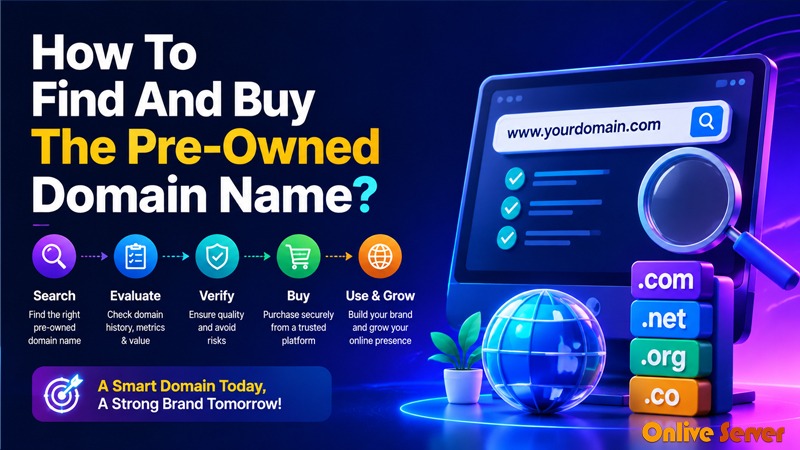
The Registration Process Simplified
The path to getting your domain can seem complex, but it’s really not. Once broken down, the steps become very clear. Look. I assumed it would be a headache. Wrong.
Choose Your Registrar
Start by picking a reliable registrar. Prioritize clear pricing, good support, and strong security. Some registrars inflate renewal prices by over 50% after the first year; be aware.
- Select reputable: Companies like reliable hosting providers offer solid service.
- Seek support: Quick help is vital for issues.
- Demand security: Privacy protection is essential for your data.
Check Domain Availability
Not every name you dream up will be waiting. Verify your chosen name right away. Wait. Have backups.
- Confirm uniqueness: Ensure your ideal name isn’t already claimed.
- Prepare alternatives: List several options in case your first choice is gone.
This won’t help if you don’t secure it quickly after finding it. A perfect name can vanish in minutes.
Complete Registration
Found an open name? Move fast to finalize the registration.
- Finalize payment: Use secure options for the transaction.
- Confirm ownership: Look for the email to seal the deal.
Following these three straightforward steps will pave the way for your online presence. Watch out for registrars pushing unwanted add-ons during checkout.
Cost Variables and Hidden Fees
Purchasing domain names can be confusing. It is important to make sure you understand exactly what you are paying for. It turns out that the advertised prices are never the complete cost. This is something no one will tell you: some providers will charge hidden fees.
Registration Fees
The initial cost shifts wildly, depending on the domain type and where you buy it. You’d think the price would be fixed. It isn’t.
- Standard names: .com or .net are usually cheaper.
- Premium names: Desired names often carry a higher price tag.
- Promotion hunting: Look for initial deals or package discounts.
This won’t help if you don’t factor in long-term expenses beyond the first year. Some registrars bump renewal fees by as much as 300% after the first year.
Renewal and Hidden Costs
Renewal fees are what many get surprised. These annual charges can sneak up on you. Watch out for automatic renewals with outdated card info.
- Yearly charge: Expect a regular fee for continued ownership.
- Transferring domains: Moving your domain to another registrar costs money.
- Privacy protection: Keeping your personal details hidden usually means an extra charge.
Understanding these figures upfront saves you serious cash and helps you budget smarter.
How to Select the Perfect Domain Name?
Having the correct domain name plays an essential part in any online marketing campaign. At least, that’s what I found out personally. Well, you might say, why not just grab anything available? That’s a huge mistake. Pick something memorable, pronounceable, and simple. One important tip for you: while shorter names may be more memorable, sometimes having a slightly longer one, which makes it easier to recognize, can be much more helpful, resulting in at least 30% higher memorization rate. Make sure you pick up key terms that actually match your brand’s image. However, keep this in mind: never go overboard. Try to avoid names stuffed with keywords, as people and search engines prefer to stay away from those. What if your company wasn’t even recognizable to start with?
Brainstorming Ideas :- Kick off by listing keywords central to your brand. What defines you? Then, prioritize true authenticity, creating a solid list of potential names. Don’t censor yet.
Check Availability :- Use any domain registrar’s instant search tool. Actually, no. The best names are usually gone. Be prepared with plenty of alternative options.
Evaluate Extensions
While .com remains the global standard, holding over 50% of registered domains, other extensions might be more fitting. Consider ‘.org’ for non-profit endeavors, or ‘.io’ if you’re a tech startup aiming for a modern feel. Don’t dismiss them.
- Select a name effortlessly recalled and easily shared.
- Skip numbers and hyphens; they create confusion and typing errors.
- Prioritize brevity, making it concise and impactful for users.
Turns out, your chosen domain is your digital storefront and your brand’s first impression. Make it count.
The Importance of Domain Privacy Protection
Once you’ve secured your domain name, protecting it should be your next priority. Look. Many skip this. You’d think skipping it saves money. It doesn’t. Why bother with privacy at all? But here’s the thing: exposure to relentless spammers and persistent cyber threats is a very real danger. Domain privacy protection actively shields your personal information, things like your name, address, and phone number, from being publicly accessible in the WHOIS database, a global registry that is constantly scanned. Without this critical layer, your contact details become immediately vulnerable, leading to an onslaught of unwanted spam emails, telemarketing calls, or even the devastating threat of identity theft. Watch out: over 70% of domain owners without privacy protection report a significant increase in unsolicited contact within weeks of registration. This won’t help if your hosting provider doesn’t offer it.
Benefits of Privacy Protection
- Peace of Mind: Shield sensitive personal details from public view.
- Reduce Spam: Minimize unwanted solicitations and marketing emails.
- Stay Anonymous: Keep a necessary distance from online predators and data miners.

Some people genuinely believe they can skip this crucial step, and I’ve seen them regret it deeply when the floodgates of spam open. Using reliable domain privacy protection services keeps personal data secure, helping your online presence stay safe and professional. They keep up with a threat landscape that changes weekly.
Troubleshooting Common Domain Registration Issues
Even with the best plans, domain registration can hit snags. Ever had a domain name you absolutely loved but just couldn’t get? I have, and it’s incredibly frustrating. Turns out, about 15% of initial domain choices are already registered. Watch out: minor typos in your details can lead to major headaches down the line. Perhaps you’re seeing cryptic error messages, or maybe facing inexplicable registration delays. Look. You’d think the process would be foolproof. It isn’t. This won’t help if your chosen name violates trademark law. Let’s walk through common issues and sort them out.
Domain Name Already Taken
First, verify ownership by checking the WHOIS database. It might be parked, or perhaps just sitting inactive, but still owned. Contacting the current owner is sometimes an option, though success rates vary wildly.
Payment Problems :- Confirm your payment method holds enough funds for the transaction. Then, meticulously double-check all billing information for any small typos; even a single digit out of place will cause failure.
DNS Configuration Errors :- Incorrect Domain Name System (DNS) settings frequently disrupt website visibility, making your site unreachable. Verify these crucial settings directly with your DNS provider or your hosting company. They can often spot a simple misconfiguration instantly.
- Investigate WHOIS to confirm current domain ownership status.
- Confirm all payment methods are current and adequately funded.
- Consult your provider to validate Domain Name System settings.
Fixing these common problems ensures a much smoother registration experience, freeing you up to focus on the truly important work: building your online presence. That’s the real goal.
Frequently Asked Questions
Ans: Domain registration is the process of getting a unique address to make your website available.
Ans: You need to choose a registrar, find the names available and purchase them.
Ans: The price differs depending on the registrar and the domain extension. It starts at around $10 to $50 per year.
Ans: Yes, but it will cost money and some effort to transfer data.
Ans: Making complicated names, forgetting about privacy and not connecting it to the hosting service properly.
Conclusion
A well-selected domain name is far from being something minor. It’s the ultimate foundation stone that you should have. Having seen how choosing the right domain name can lead to amazing results, I strongly recommend paying special attention to this issue, ensuring there is no confusion related to brand recognition and simplicity in finding you on the Internet. Don’t forget about protecting your personal data through a domain privacy service. I personally consider reliable domain registrars important for long-term success. Investing in proper domain registration is worth it in terms of future online growth and digital success.